Give your AI agent calling.
HD calls on real mobile numbers, not VoIP. On the same number your agent already texts from.
Trusted by 1,000+ teams building on Linq








Why teams run voice on Linq.
Real mobile numbers, not VoIP
Your agent calls from the same kind of number a person uses, so its calls are treated like a person’s.
HD Calling means better transcriptions
Wideband in both directions. A better voice for your agent, and cleaner input for transcription.
Two-way
Answer calls and place them from the same number.
Outbound calls with a contact card
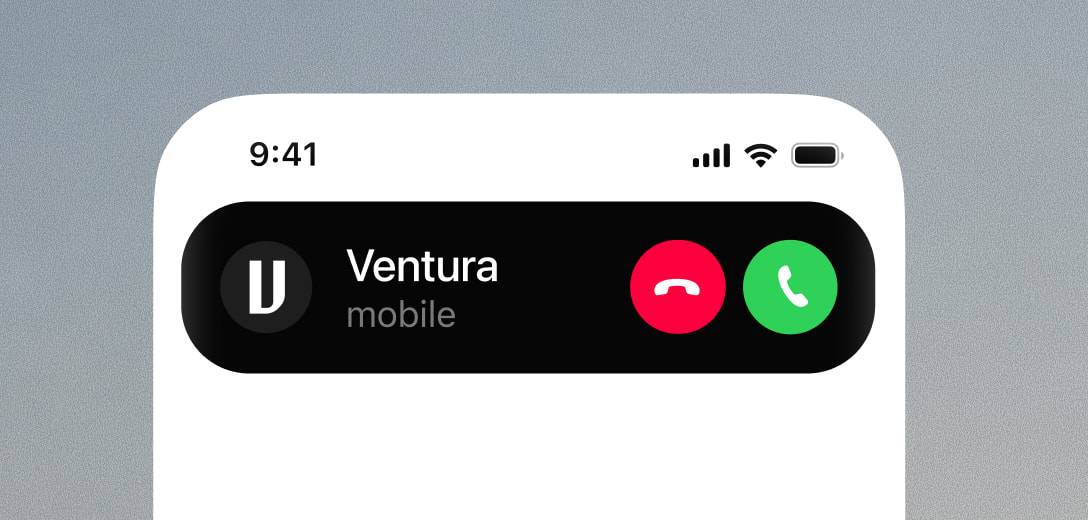
Once users save it as a contact, its calls show up by name.
950M+
Messages processed
1,000+
Teams on Linq
SOC 2
Type II certified
99.95%
Contractual SLA
Built for your voice stack.
We handle the carrier
Carrier approval and number routing are on us, so you don’t have to deal with either.
Low latency by design
Calls go straight from our network to your endpoint.
Bring your own voice platform
Connect the AI voice platform you already use, over an encrypted connection.
From first call to live agent.
Today

Get connected
- Book a demo and get a number
- Connect your voice platform
- Take your first call
Next

Hear the difference
- Call your agent from your own phone
- Compare it with your current line
- Tune your prompts on real calls
Launch

Your agent on the phone
- Calls and texts on one number
- Inbound and outbound calls
- 24/7 technical support in Slack
“The folks at Linq have always been super gracious and helpful and super responsive. That’s been the case whenever we’ve needed to grow.”


Questions, answered.
What is HD Calling?
HD Calling carries a much wider range of sound than a standard phone call, so speech comes through fuller and clearer, closer to talking in person. Linq calls are wideband in both directions and encrypted by default, whenever the other phone supports HD. That fuller sound also gives your agent cleaner input, so its transcriptions come out more accurate.
How is a Linq number different from a VoIP number?
A Linq number is a real mobile number, the same kind you’d get at a carrier store, so calls from it are treated like a person’s. Most VoIP lines also carry narrowband audio that cuts off around 4 kHz, the range that tells an "s" from an "f". Linq keeps it, so callers understand your agent, and your agent understands callers, the first time.
Why does call quality matter for an AI agent?
Your agent only knows what it hears. Wideband audio gives transcription more to work with, so it catches names, numbers, and addresses that narrowband audio blurs.
Can my agent make outbound calls?
Yes. Your agent answers and places calls from the same number, and outbound calls are signed by the carrier. Once users save your agent as a contact, its calls show up by name, which gives the best answer rates.
Can customers call and text the same number?
Yes. Voice runs on the number your agent already texts from: one number, one contact, and one conversation, whether your users text or call.
Does it work with my voice platform?
Yes. Calls go straight to your own endpoint or the AI voice platform you already use, over an encrypted connection, with no extra hops in between. We handle the carrier and number routing.